
Chemical peels
Chemical peels
If you want a more thorough peeling compared to exfoliation for radiant, glowing skin, talk to us about chemical peels. Our skin experts will tell you which chemical peel is best for your skin and devise the perfect plan.

What is a Chemical Peel?
At Everyderm, we offer chemical face peels that gently remove the top layers of your skin using a customised chemical solution. This process stimulates the growth of new, healthier skin, improving your overall complexion and texture.
Our chemical peels effectively treat various skin concerns, including acne scarring, fine lines, and pigmentation issues. They can also be used for active acne.
Products and Methods
We utilise medical-grade chemical peels tailored to your skin’s unique needs.
Our Renewing Chemical Peel, included in all Everyderm plans, is excellent for superficial resurfacing, brightening your skin, and giving it a radiant glow. For people with problematic acne, this salicylic acid-based peel is also excellent.
For more intensive peeling, our Power Peel uses TCA (trichloroacetic acid) at varying strengths, including up to 50% TCA for deeper peeling of specific areas like scars or stubborn sunspots.
To ensure your comfort during the procedure, we use CryoAir cooling technology, which minimises any discomfort you might feel.
Skin Conditions Treated
Our chemical peels effectively address a variety of skin conditions.
Our treatments can help you if you’re dealing with:
Acne and acne-prone skin
Acne scars
Uneven skin tone
Fine lines and wrinkles
Sun damage
Age spots
Enlarged pores
Benefits for Your Skin
By removing dead skin cells, our chemical peels reveal smoother skin and stimulate collagen production, promoting the growth of new tissue for brighter, younger-looking skin. They reduce dark spots and pigmentation, enhance your skin’s appearance, and minimize signs of aging for a rejuvenated complexion.
Chemical Peel: Before and After
Many of our clients experience significant improvements after a course of peels, enjoying brighter, smoother skin and a reduced appearance of acne scarring and fine lines.
We’ll assess your skin before and after treatments to tailor the type of peel and determine whether additional collagen-stimulating therapies like microneedling are appropriate to further improve results.
Risks and Side Effects
Chemical peels are generally safe when performed by experienced professionals. You might experience temporary redness and slight sensitivity after the treatment. Depending on the strength of the peel, peeling and flaking can occur for 4–7 days.
It’s important to protect your skin from sun exposure afterwards, as it may be more sensitive to sunlight. We do not perform phenol peels, which are deeper and result in prolonged downtime. Instead, for patients who require deeper resurfacing, we use CO2 lasers.
In people with darker skin types, hyperpigmentation is a risk, but this usually fades over time and with topical recovery or lightening creams. Superficial scarring can occur but is rare when peels are performed in experienced hands.
The procedure
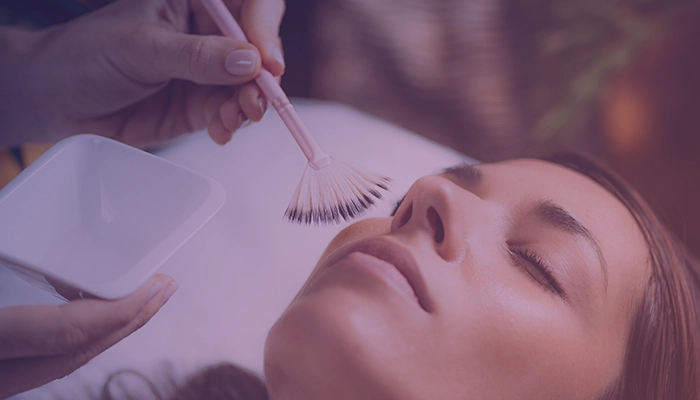
Your journey begins with a thorough skin analysis using our Visia and Antera 3D systems to determine UV damage and brown spots. We can also check your TruSkin age. We’ll cleanse your skin and apply the appropriate chemical solution. We may recommend a superficial peel or a medium-depth chemical peel.
Depending on your specific needs, we might apply:
- Glycolic acid chemical peel
- Salicylic acid
- Lactic acid
- TCA
Throughout the procedure, we use CryoAir cooling to enhance your comfort. After the peel treatment, aftercare products are applied to the skin to support the healing process.
Preparation
Before your treatment, we recommend discontinuing retinoids and exfoliants 48 hours prior.
Protect your skin from excessive sun exposure, and let us know about any skin sensitivities or concerns you might have. For melasma and brown, sun-damaged skin, we may recommend a 6-week course of prescription cosmeceuticals to optimise the results of the chemical peels.

Recovery Time and Aftercare
Recovery time varies depending on the strength of the peel, as it ranges from minimal downtime to a few days. Unwanted pigment may darken before peeling occurs over several days.
We’ll provide you with an aftercare routine, which includes:
- Using gentle skin care products
- Applying sunscreen diligently
- Avoiding picking or peeling the skin
- Refraining from using makeup until advised.
Recommended Frequency
To achieve your desired results, we may recommend a treatment cycle of series at 2–4 week intervals. Regular peels can help maintain improvements and enhance your skin’s appearance over time.
Why Everyderm?

At Everyderm Dublin, we personalise your treatment plan based on a thorough skin analysis. Our experienced therapists use advanced technology like the Visia and Antera 3D systems for precise treatment planning.
We prioritise your comfort by using CryoAir cooling during the procedure. With flexible membership plans, you have access to both the Renewing and Power Chemical Peels. We also offer additional treatments for holistic skin health.
People choose Everyderm because we have a huge range of advanced skin treatments, so if a peel is not the right option for your skin and goals, we will prepare an alternative solution.
Plans and prices
We offer three membership plans to suit your skincare needs.
-
The Silver Plan at €159.00 per month includes the Renewing Chemical Peel and up to twelve treatments per year.
-
Our Platinum Plan at €299.00 per month gives you access to the Power Chemical Peel and up to 15 treatments in total each year.
-
For those seeking comprehensive care, the Diamond Plan at €399.00 per month provides full access to all Everyderm treatments, including deeper laser peels, PRP and tissue tightening with Morpheus8.

Frequently Asked
Questions
How should I prepare for a chemical peel?
To prepare for your chemical peel, we recommend avoiding retinoids and exfoliants for at least 48 hours before your appointment. Protect your skin from sun exposure, and let us know if you have particular concerns regarding sensitive skin. We may advise more comprehensive skin preparation using the Obagi Nuderm range depending on the degree of photoaging.
What can I expect after a chemical peel?
After the treatment, you might experience some redness and peeling, which is a normal part of the skin renewal process. Your skin will gradually become brighter and smoother as it heals.
Does a chemical peel remove facial hair?
Chemical peels are not designed to remove facial hair. They focus on improving skin texture and tone, addressing concerns like pigmentation and fine lines.
Can a chemical peel remove deep wrinkles?
Some chemical peels that use phenol can be very deep and remove deep wrinkles. However, these peels have a long recovery and usually require general anaesthesia. We use CO2 laser peels to target deeper wrinkles rather than chemicals for resurfacing.
Will my stretch marks fade with chemical peels?
At Everyderm we have a wide range of energy-based devices we use to improve skin tightness, discolouration and texture, including stretch marks. Treatments like BroadBand Light and Morpheus8 are often selected rather than chemical peels for stretch marks.
Still not sure? Contact us for an assessment, or simply click here from your phone to connect via the MeTime app for a free remote assessment.
Our team of highly trained aesthetic professionals will guide you through every stage of the process on your first visit to Everyderm
Are you looking for your Chemical Peel treatment?

Get a free skin analysis
We want you to experience the Everyderm approach, so we’re offering a free consultation, free skin analysis (measures pigmentation, redness, pores, texture and lines) and a discounted Ultimate Facial for only €69.
Or choose a free remote assessment where we’ll review your photos and let you know what treatments will be right for you.

NEED HELP?
START YOUR EVERYDERM ASSESSMENT
CLICK THE LINK BELOW TO BOOK YOUR VISIT OR START A VIRTUAL CONSULT
WE’LL GIVE YOU PERSONALISED RECOMMENDATIONS
CHOOSE YOUR PLAN AND BEGIN YOUR MONTHLY IN-CLINIC TREATMENTS